Car donation comes with its own vocabulary. From titles and liens to Form 1098-C and gross proceeds, the terminology can slow down an otherwise simple process. This glossary breaks down every term you are likely to encounter when donating a vehicle to Vehicles For Veterans, in plain language, with links to deeper resources where they […]
November Is Family Caregivers Month
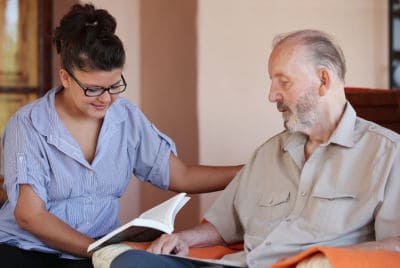
A family caregiver is someone who provides emotional or physical care for a disabled or elderly loved one at home. Many caregivers are family members who care for injured or disabled veterans as well. Anyone who's a family caregiver knows how important their work is for their loved ones. During National Family Caregivers Month in November, we're reminded to honor and support caregivers who spend much of their time and energy giving back to others.
Take Care To Give Care
Providing care for others can often mean spending less time taking care yourself and your own needs. It's easy to put the needs of others first, and it's an incredibly selfless act. However, the most important thing you need in order to care for others is to first care for yourself. If you aren't giving yourself enough time to address your own needs, you may be putting your mental and physical health at risk.
It's often difficult to step out of the care-giving mode in order to work on your own health and needs, but not doing so can actually impact the quality of care you are able to give. The theme of this year's Family Caregivers Month is "Take Care to Give Care," meaning that you need to help yourself sometimes in order to be effective at helping others.
This November, take a moment to learn about a few ways to take care of your own wellbeing:
- Try out a few stress-reducing practices such as mediation or exercise. Caregiving comes with a lot of responsibility, especially when you're in charge of someone's medication, meals, and daily cares.
- Be aware of the adverse effects stress can have on your health. According to the Caregiver Action Network, family caregivers are twice as likely to suffer from depression and are at risk for a number of other chronic conditions.
- Focus on good nutrition for yourself and the person you're caring for. Good nutrition helps you stay focused, have more energy and feel better in general. Making sure your loved one gets proper nutrition as well can reduce the risk for malnutrition, poor immune system, hospitalization, or slow recovery time.
- Take time every now and then to do something outside of your usual routine. Caring for someone who has a high level of disability can mean having a busy schedule each day. However, it's important to take a break together and do something you both enjoy such as getting outdoors, seeing a movie or having friends over for a meal. Taking a break from the routine can help both of you feel happier and more energized.
Resources For Military Caregivers
If you are caring for an injured or disabled veteran, there are many resources available to you and your family. A few of these are:
- The toll-free National Caregiver Support Line (1-855-260-3274), which is staffed by licensed professionals who can help with any question or concern you may have about caring for a veteran.
- The VA's Caregiver Support website, which includes many resources for finding the help you need, staying organized, and providing any specialized medical care your veteran needs.
- VA-sponsored transportation to medical centers. The VA is required to provide grants to veteran service organizations that help rural veterans get to medical appointments at the nearest VA.
- Local state, county or city resources that offer referrals and information on advocacy and assisted living. Try researching the government agencies that provide these types of help in your state or county.
- General caregiving websites such as the Caregiver Action Network or the Family Caregiver Alliance.
Support Veterans By Donating Your Car
A great way to support veterans charities this November is to consider donating your car to Vehicles For Veterans. The proceeds from your car donation help fund disabled and other veteran programs that are doing great work for our nation's veterans.
Vehicles For Veterans provides free vehicle towing from nearly anywhere in the U.S., and you receive a great tax deduction in return for your donation. If you have a car to donate, please call Vehicles For Veterans at 1-855-811-4838 or fill out an online car donation form.
Related Posts
A Real Donor Was Offered $45,000 for This RV. Tree Damage Changed Everything. Here's What Vehicles For Veterans Got at Auction.
Read More
This is a real story. A veteran with nearly 30 years of service came to us with a 2015 Winnebago Via that had taken $5,500 in tree damage to the roof. A year earlier, the largest retailer of RVs in the U.S. had offered them $45,000 for it. After the damage, they weren't sure what […]
Donate a Work Truck, Van, or Commercial Vehicle to Support Veteran Charities
Read More
That retired work van sitting in your lot still has value — and donating it to Vehicles For Veterans puts that value to work for American veterans charity programs. Call or fill out our online donation form to get started today. Commercial vehicles — box trucks, cargo vans, work pickups, utility trucks, and service vehicles […]
Historic Korean War Military Truck Begins One Last Mission Supporting America's Veterans
Read More
A truck that served America during the Korean War is back on duty. This time, it's supporting the veterans charity programs that serve those who have worn the uniform. If this piece of living history can do its part for veterans, so can your unwanted vehicle. Call or donate online today and put your car […]