Car donation comes with its own vocabulary. From titles and liens to Form 1098-C and gross proceeds, the terminology can slow down an otherwise simple process. This glossary breaks down every term you are likely to encounter when donating a vehicle to Vehicles For Veterans, in plain language, with links to deeper resources where they […]
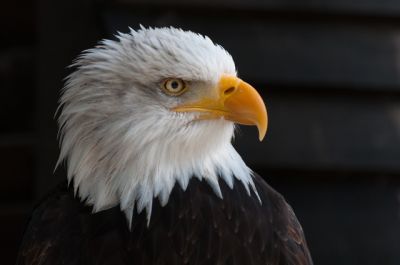
Celebrate National Bird Day With 10 Facts About Eagles
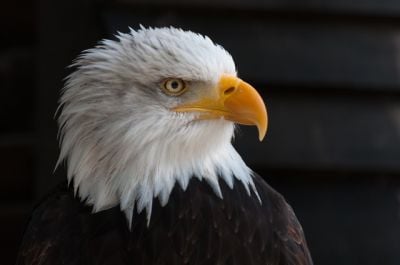 Did you know January 5 is celebrated as National Bird Day in the U.S.? While the day is actually about getting citizens involved in monitoring the health of our nation's wild bird population, it's also a good time to learn more about our famous national bird, the Bald Eagle.
That's not to take away from the real meaning of National Bird Day. Jan. 5 falls at the tail end of the three-week-long Christmas Bird Count, which has been happening annually for almost 10 years. The Christmas Bird Count is the longest-running citizen survey in the world and it's an important tool for knowing which species are doing well and which ones face the danger of extinction.
In fact, our national bird the Bald Eagle was actually on the endangered species list itself from 1976 to 2007. Although the population is now much healthier, they're still protected under the Bald and Golden Eagle Protection Act of 1940, which prevents people from taking eagles, their eggs or their nests.
Given that eagles are a national icon and symbolize our freedom, it makes sense that people would want to protect them from extinction. But not every bird species has that level of popularity. Events like National Bird Day are helpful for inspiring the same level of public interest for birds of all species.
Facts About Our National Bird
To most Americans, Bald Eagles are probably the most-recognizable bird of any species. Expand what you know about our famous national bird with these facts!
- Adult eagles have a 7 foot wing span, which makes them one of the largest raptor species in the world.
- Eagles mate for life, which is significant considering they can live for up to 50 years.
- They may not look that big from a distance, but eagle nests can weigh over a ton and measure up to 8 feet across. If a nest holds up well, an eagle pair will continue using it year after year.
- Eagles need to live near a permanent source of water. Usually this is a river, marsh, lake or stream.
- Bald Eagle populations are only found in North America – from parts of Mexico all the way up to Alaska.
- The widespread use of DDT in the mid-1900s is partially to blame for the decline in eagle populations. DDT poisoned adult birds but also made egg shells too thin to not be crushed during incubation.
- Today the top causes of eagle deaths are collisions with cars, electrocution from taking off or landing on power lines, lead poisoning from ingesting bullets left in wild game that escapes hunters, starvation from scarce winters, and shooting from hunters. Most shootings are accidental but some are the result of poaching.
- The expression "eagle eye" actually has some facts to back it up. Not only do eagles have better vision than most people, the also have a wider field of vision and can even see ultraviolet light.
- Eagles have been the national emblem of the U.S. since 1782. Shortly after Declaration of Independence was signed, Benjamin Franklin, John Adams and Thomas Jefferson were tasked with designing a national seal. Their design eventually was narrowed down to the Bald Eagle and it quickly became an icon on our currency, flags, public buildings and government documents.
- Contrary to popular belief, there's not much proof that Benjamin Franklin petitioned to have a turkey be our national bird. The only evidence he wasn't entirely on board with the eagle being our symbol was a 1784 letter to his daughter in which he calls the eagle "a bird of bad moral character."
Support Those Who Fight For Our Freedom
While Bald Eagles symbolize freedom to many of us, veterans are the ones fighting for it. You can help support disabled and other veteran programs by donating a car to Vehicles For Veterans. Your donation is tax deductible and will give you free towing from anywhere. Just call 1-855-811-4838 or donate online to give back to veterans in your community today.
Related Posts
A Real Donor Was Offered $45,000 for This RV. Tree Damage Changed Everything. Here's What Vehicles For Veterans Got at Auction.
Read More
This is a real story. A veteran with nearly 30 years of service came to us with a 2015 Winnebago Via that had taken $5,500 in tree damage to the roof. A year earlier, the largest retailer of RVs in the U.S. had offered them $45,000 for it. After the damage, they weren't sure what […]
Donate a Work Truck, Van, or Commercial Vehicle to Support Veteran Charities
Read More
That retired work van sitting in your lot still has value — and donating it to Vehicles For Veterans puts that value to work for American veterans charity programs. Call or fill out our online donation form to get started today. Commercial vehicles — box trucks, cargo vans, work pickups, utility trucks, and service vehicles […]
Historic Korean War Military Truck Begins One Last Mission Supporting America's Veterans
Read More
A truck that served America during the Korean War is back on duty. This time, it's supporting the veterans charity programs that serve those who have worn the uniform. If this piece of living history can do its part for veterans, so can your unwanted vehicle. Call or donate online today and put your car […]