Car donation comes with its own vocabulary. From titles and liens to Form 1098-C and gross proceeds, the terminology can slow down an otherwise simple process. This glossary breaks down every term you are likely to encounter when donating a vehicle to Vehicles For Veterans, in plain language, with links to deeper resources where they […]

Life Hacks For Car Owners That Save Real Money
'A penny saved is a penny earned,' and as a car owner, savings are essential. You're already careful about fuel efficiency and DIY maintenance. But have you pondered the hidden costs of an idle car? Insurance, registration, depreciation, minor repairs - the costs stack up.
Imagine a life hack that could eradicate these expenses. Intrigued? This is the realm of car donation, a move that cuts costs, offers potential tax benefits, and gives you the satisfaction of supporting a charity.
Dive deeper into 'Life Hacks For Car Owners That Save Real Money' to discover this and more.
Key Takeaways
- Proper tire maintenance can save up to $400 over time
- DIY maintenance like oil changes and brake pad replacement can save hundreds of dollars
- Adjusting insurance coverage and exploring discounts can lead to significant savings
- Efficient driving practices, like trip chaining and planning efficient routes, can reduce fuel consumption and save money
Master Tire Pressure
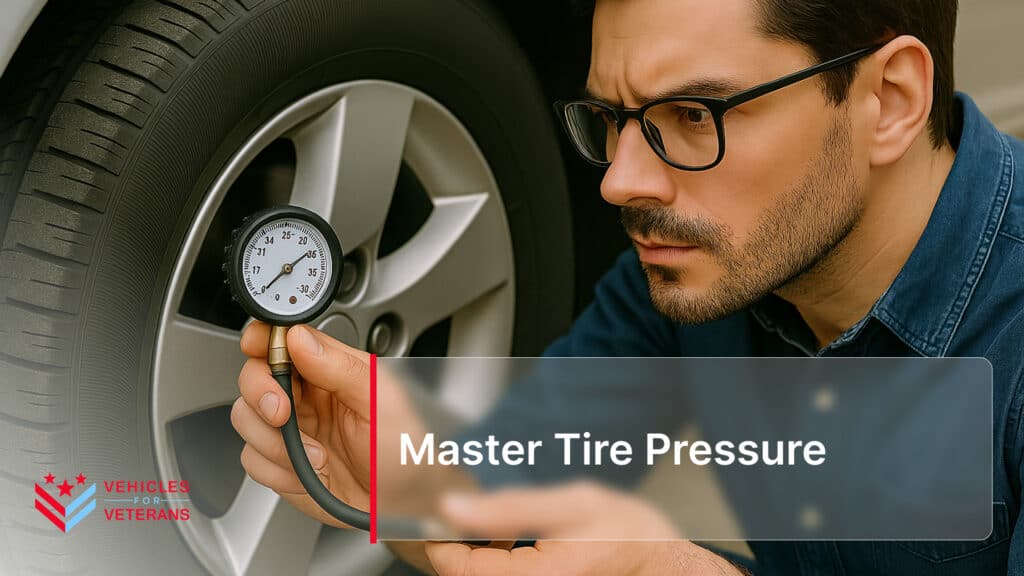
In your quest to save money as a car owner, mastering your tire pressure is a crucial step you can't afford to skip. With proper tire rotation, you can evenly distribute tire wear and extend the life of your tires, leading to significant savings.
Tire alignment and balancing also play vital roles in the overall lifespan of your tires. Improper alignment can lead to uneven tire wear, reducing their lifespan and forcing you to replace them sooner. Tire balancing, on the other hand, ensures smooth driving and reduces tire tread wear.
Achieving ideal tire tread depth is a game of precision that can result in a fuel efficiency increase of up to 3%.
Now, let's shift gears to another fuel-saving tactic: smooth driving.
Drive Smoothly, Save Fuel
Moving on from tire maintenance, let's delve into your driving habits; smooth driving can be a major fuel-saving tactic that also reduces wear and tear on your car. Efficient commuting isn't just about getting from point A to B, it's about how you do it.
- Smooth Acceleration: Avoid aggressive starts. Gentle acceleration is key to eco-friendly driving and saves gas.
- Mindful Braking: Anticipate stops to avoid hard braking. This technique extends brake life and conserves fuel.
- Steady Speeds: Maintain consistent speeds, especially on highways. This efficient driving strategy optimizes your car's fuel usage.
These simple, yet powerful fuel saving techniques can significantly cut fuel costs and contribute to a healthier environment.
Next, we'll explore basic DIY maintenance to further boost your savings.
Basic DIY Maintenance
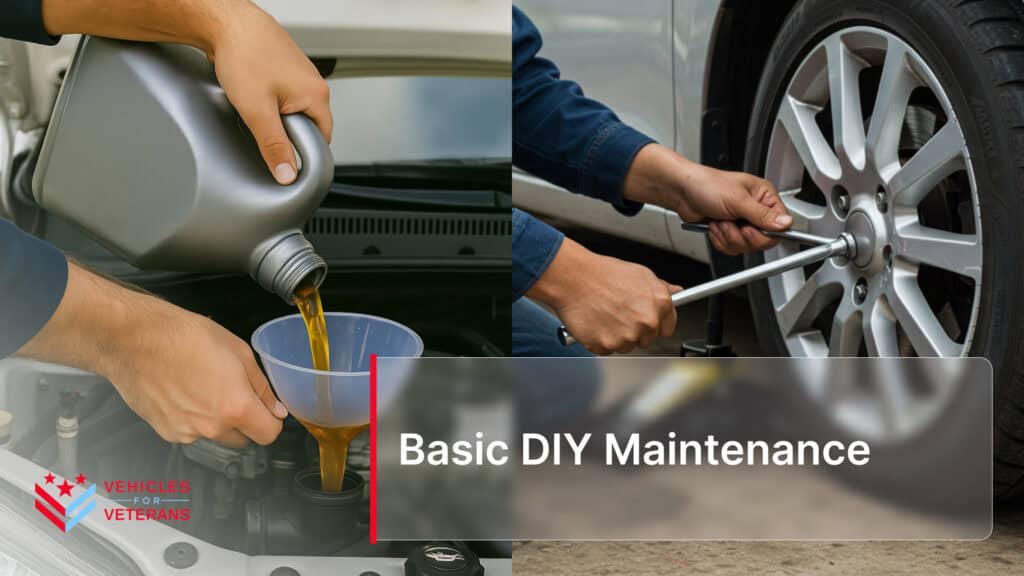
Regularly performing simple maintenance tasks on your car can save you a surprising amount of money over time. For example, learning to do an oil change can save you roughly $20 to $55 per session, while replacing your brake pads yourself can save you around $200 to $400.
Changing your air filter, a $15 job, can enhance your engine's performance and efficiency. Replacing spark plugs, a crucial part of your engine's ignition system, can save you up to $300.
Lastly, tire rotation, another easy task, can extend the life of your tires and save you up to $400 over time. With these basic DIY maintenance tasks, you're not just saving money, you're also extending the life of your car.
Annual Insurance Check-up
So, how can you further cut down on car-related expenses after mastering DIY maintenance? An annual insurance check-up can unearth significant savings.
- Deductible evaluation and comparison: Assess your financial comfort with the deductible. Raising it could lower your premium.
- Coverage reassessment: As your car ages, it mightn't need the same level of coverage, translating to potential savings.
- Policy review and adjustments: Ensure you're only paying for necessary coverage.
Don't forget to explore potential discounts and compare insurers for additional savings opportunities. This exercise might seem tedious, but it can save you hundreds annually.
Stay tuned to learn about 'the art of trip chaining', another clever hack to maximize fuel efficiency and save even more.
The Art of Trip Chaining

Another significant way to save money is by mastering the art of trip chaining. By planning your errands to run multiple stops in one outing, and mapping the most efficient driving route, you can avoid unnecessary short trips.
This practice is vital because cold engines use more fuel, so keeping your engine warm through trip chaining leads to real fuel savings. This method not only reduces fuel consumption but also saves time, minimizes wear per mile driven, and can help you avoid extra toll or parking fees.
As an added bonus, the cost reduction from trip chaining can allow for more charitable giving. Remember, every penny saved on maintenance tips and efficient driving can be redirected to a cause you value.
Don't Ignore Warning Lights
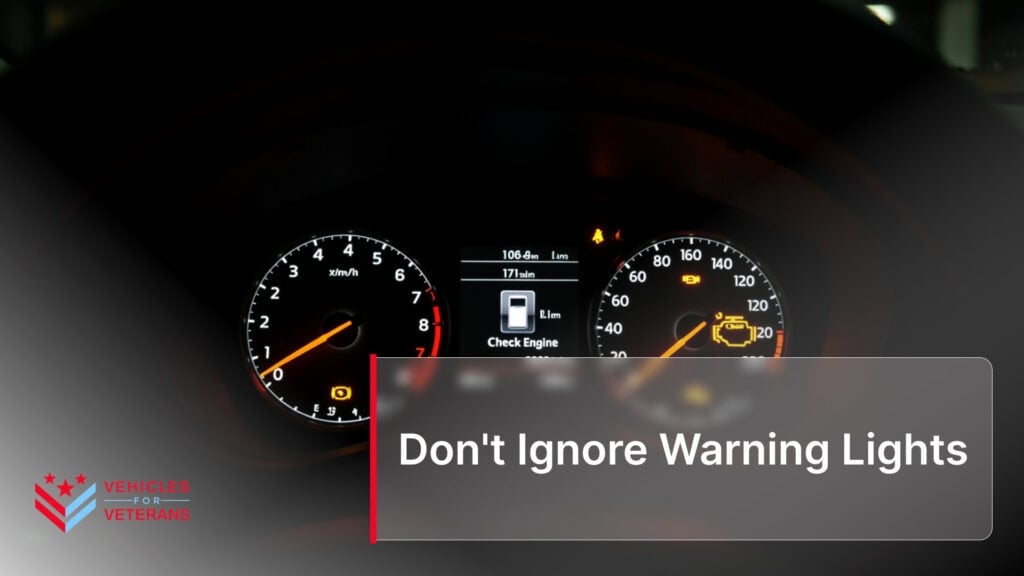
While you might be tempted to ignore that pesky 'check engine' light on your dashboard, it's crucial that you don't. Ignoring lights can lead to costly repairs down the line. When your engine light flickers on, it signals immediate action is necessary.
Here are three crucial steps to take:
- Pay heed to warning signs - they signal attention needed.
- Respond urgently to dashboard alerts. Don't delay a mechanic's visit.
- Use vehicle diagnostics tools or services to identify the problem.
These steps may seem like a hassle, but they'll save you money in the long run by preventing bigger issues. Remember, your car is communicating with you; it's your job to listen and respond appropriately.
Lighten Your Load
You might be surprised to find out how much you can save on fuel by simply clearing out unnecessary weight from your car. The principle is simple: weight reduction improves mileage. By regularly decluttering your trunk and removing excess items, you're effectively boosting your vehicle's fuel efficiency.
Old sports equipment, tools you don't use daily, or other heavy items are culprits that could be dragging your mileage down. Imagine the savings as they accumulate over time. Each pound removed brings you closer to a lighter, leaner, and meaner machine.
Eliminate Phantom Costs (The Ultimate Hack for Unused Cars)

Let's tackle the hidden costs of that unused car sitting in your driveway. You've got a car donation opportunity that offers financial benefits and supports charity. But first, calculate how much that idle car costs you annually:
- Insurance premiums: Even if it's unused, you're paying for protection.
- Registration fees: These are obligatory, drive or not.
- Depreciation: Every year, it loses value.
These are your phantom costs, draining your wallet for no value.
Here's the ultimate hack: donate your car to Vehicles For Veterans. In doing so, you immediately eliminate these costs, possibly gain a tax deduction, and support a charitable cause.
You can donate your vehicle in three simple steps:
- Call us at 1-855-811-4838 or fill out our online donation form.
- Within 24 hours of the next business day, we will contact you to schedule free towing! We come to you and pick up your car for free.
- After your car donation is complete, we mail your tax-deductible receipt. It really pays to donate with a great tax deduction!
Benefit veterans charities today with a generous car donation to Vehicles For Veterans!
Related Posts
A Real Donor Was Offered $45,000 for This RV. Tree Damage Changed Everything. Here's What Vehicles For Veterans Got at Auction.
Read More
This is a real story. A veteran with nearly 30 years of service came to us with a 2015 Winnebago Via that had taken $5,500 in tree damage to the roof. A year earlier, the largest retailer of RVs in the U.S. had offered them $45,000 for it. After the damage, they weren't sure what […]
Donate a Work Truck, Van, or Commercial Vehicle to Support Veteran Charities
Read More
That retired work van sitting in your lot still has value — and donating it to Vehicles For Veterans puts that value to work for American veterans charity programs. Call or fill out our online donation form to get started today. Commercial vehicles — box trucks, cargo vans, work pickups, utility trucks, and service vehicles […]
Historic Korean War Military Truck Begins One Last Mission Supporting America's Veterans
Read More
A truck that served America during the Korean War is back on duty. This time, it's supporting the veterans charity programs that serve those who have worn the uniform. If this piece of living history can do its part for veterans, so can your unwanted vehicle. Call or donate online today and put your car […]