Car donation comes with its own vocabulary. From titles and liens to Form 1098-C and gross proceeds, the terminology can slow down an otherwise simple process. This glossary breaks down every term you are likely to encounter when donating a vehicle to Vehicles For Veterans, in plain language, with links to deeper resources where they […]
The Hidden Carbon Footprint of Keeping vs. Donating Your Old Car
When it comes to owning a vehicle, many of us focus on the immediate financial costs like fuel, maintenance, and insurance. However, one often-overlooked aspect is the environmental impact, particularly in terms of carbon footprint.
This footprint becomes even more significant when considering what to do with an old, non-running vehicle. Should you keep it, or would donating it be a better option?
Let's explore the environmental costs associated with both scenarios to help you make an informed decision.
The Environmental Cost of Keeping a Non-Running Vehicle
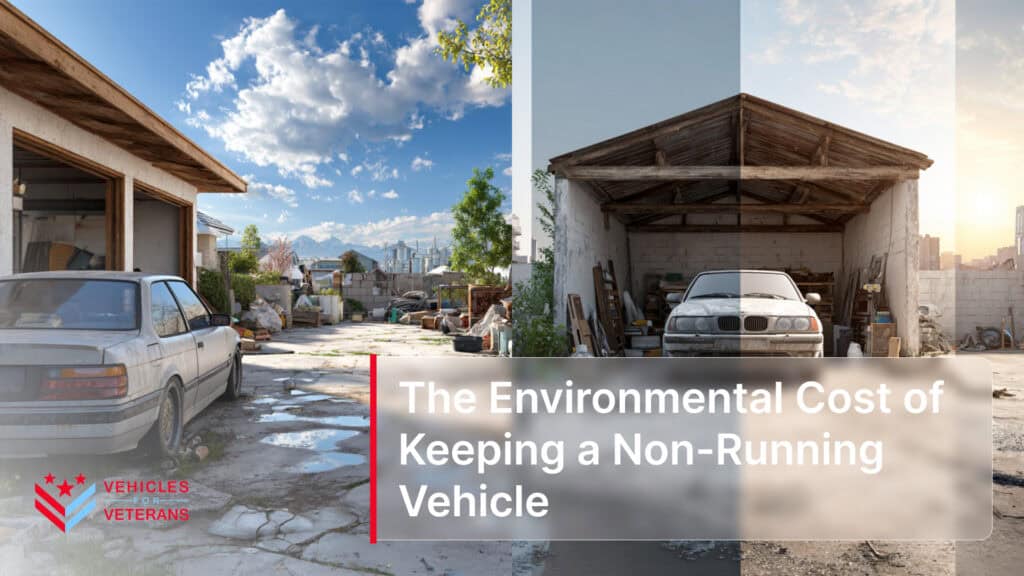
1. Storage Space
Keeping an old vehicle involves more than just letting it sit in your garage or driveway. While it might seem harmless, unused vehicles occupy valuable real estate, promoting urban sprawl and increasing the demand for personal storage space.
This indirectly contributes to higher carbon emissions as more land is cleared and resources are consumed to build and maintain storage facilities.
2. Potential for Leaks and Contamination
Vehicles, even when stationary, can leak harmful fluids such as oil, antifreeze, and brake fluid. These chemicals can seep into the ground, contaminating soil and water sources.
This type of pollution can harm local ecosystems and require significant energy expenditure and resources to mitigate.
3. Lost Opportunity for Recycling
An important aspect of minimizing your carbon footprint involves recycling. By keeping a non-running vehicle, you miss the opportunity to repurpose its parts and materials.
Vehicles are made of metals, plastics, and other components that can be recycled, reducing the need for raw material extraction and production, which are energy-intensive and polluting processes.
The Environmental Benefits of Donating Your Car
1. Recycling and Resource Efficiency
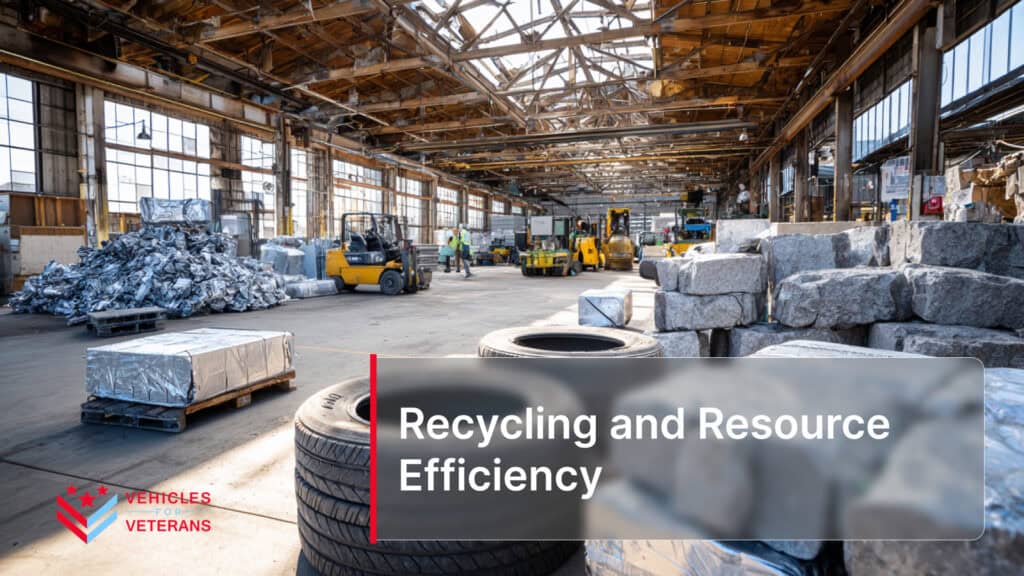
When you donate your car through a program like Vehicles For Veterans, it is often either refurbished for resale or dismantled for parts. The recycling process ensures that metals and materials are reused, significantly lowering the demand for new resource extraction.
Recycling steel alone can save up to 74% of the energy required to produce it from raw materials.
2. Reduced Carbon Emissions
By donating your vehicle, you contribute to a reduction in carbon emissions. The recycling process uses less energy compared to manufacturing new parts or vehicles. Although some energy is required for transportation and processing, it is significantly lower than what would be needed for new production.
3. Supporting Environmental Initiatives
Many car donation programs, including Vehicles For Veterans, direct proceeds from recycled vehicles towards projects that benefit both people and the planet. This might include funding for veteran services, but it can also extend to environmental initiatives that focus on habitat restoration, clean energy, and sustainability.
4. Cleaner Community Spaces

Donating your car helps keep your community clean and free from the potential hazards associated with derelict vehicles. It reduces the risk of chemical leaks and contributes to aesthetic improvements, which can bolster community pride and environmental health.
Common Questions About Car Donation
How does car donation work?

Car donation is typically a straightforward process. Once you decide to donate, you contact a reputable program like Vehicles For Veterans. They arrange for free pickup, taking care of all the logistics. After your vehicle is recycled or resold, you receive a tax-deductible receipt.
What if my car doesn’t run?
Most donation programs accept vehicles in various conditions, including non-running ones. They either fix the vehicle for resale or recycle the parts.
How does it affect my taxes?

Donating your vehicle can provide you with a tax deduction based on its value. You'll receive documentation to use when filing your taxes, potentially reducing your taxable income.
Is it really environmentally friendly?
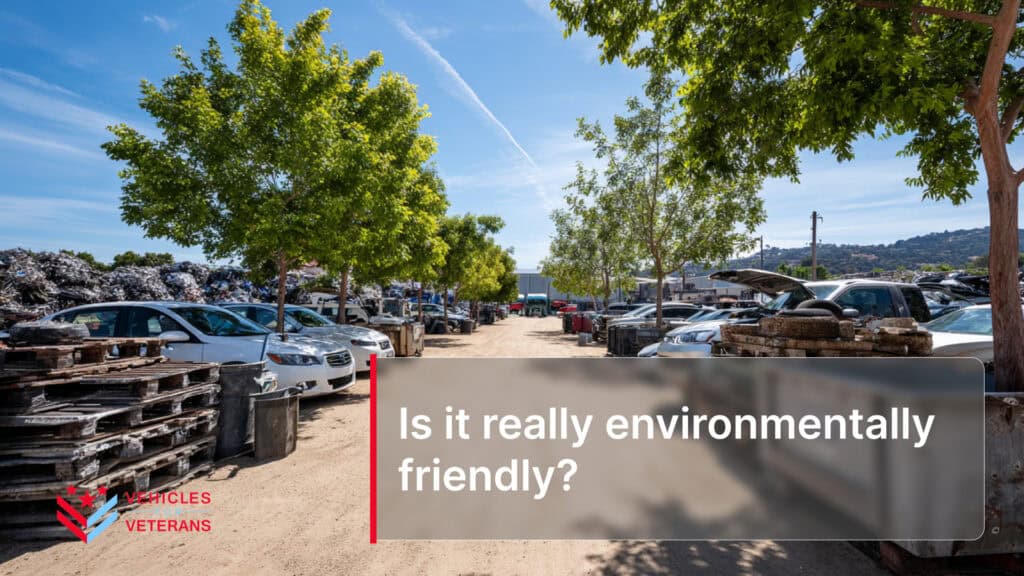
Yes, donating a vehicle is environmentally friendly. It promotes recycling, reduces the need for new materials, and lessens the potential for environmental contamination from abandoned vehicles.
Conclusion
The hidden carbon footprint of keeping a non-running vehicle is more significant than many realize. From occupying valuable space to contributing to environmental contamination, these vehicles pose a variety of environmental challenges. By donating your old car to organizations like Vehicles For Veterans, you can significantly reduce this impact.
Through recycling and reuse, you not only help protect the environment but also support meaningful charitable initiatives. As you consider the future of your unused vehicle, remember that donation offers a pathway to a more sustainable and supportive community. Make the environmentally conscious choice, and turn the burden of a non-running vehicle into a beacon of positive change.
Related Posts
A Real Donor Was Offered $45,000 for This RV. Tree Damage Changed Everything. Here's What Vehicles For Veterans Got at Auction.
Read More
This is a real story. A veteran with nearly 30 years of service came to us with a 2015 Winnebago Via that had taken $5,500 in tree damage to the roof. A year earlier, the largest retailer of RVs in the U.S. had offered them $45,000 for it. After the damage, they weren't sure what […]
Donate a Work Truck, Van, or Commercial Vehicle to Support Veteran Charities
Read More
That retired work van sitting in your lot still has value — and donating it to Vehicles For Veterans puts that value to work for American veterans charity programs. Call or fill out our online donation form to get started today. Commercial vehicles — box trucks, cargo vans, work pickups, utility trucks, and service vehicles […]
Historic Korean War Military Truck Begins One Last Mission Supporting America's Veterans
Read More
A truck that served America during the Korean War is back on duty. This time, it's supporting the veterans charity programs that serve those who have worn the uniform. If this piece of living history can do its part for veterans, so can your unwanted vehicle. Call or donate online today and put your car […]